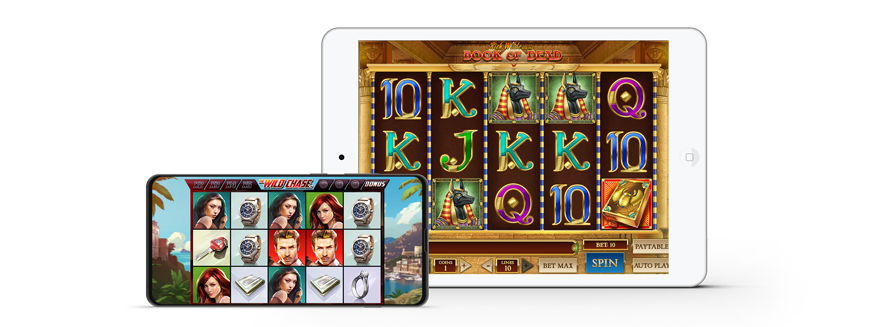
Introduction to Slot Machines
Slot machines, often synonymous with casinos, have long been a cornerstone of casino entertainment. These seemingly simple devices offer players a blend of excitement and unpredictability that draws millions into gambling halls every year. The core of any slot machine is its design—typically featuring rows of symbols on spinning reels—that engages both the novice and the seasoned gambler alike.
The Basics of Slot Machine Play
A typical slot machine game begins with a player inserting coins, Drop The Boss game using a bank card, or utilizing digital currency through a mobile app. Each spin of the reels involves random outcomes determined by computer-generated numbers, which are mapped to specific symbols on the reels. The objective is to match these symbols in certain ways across paylines (horizontal, diagonal, or other configurations) to win prizes.
Understanding Probability and Odds
To understand how slot machines work, it’s crucial to grasp basic concepts like probability and odds. Each spin of a modern slot machine is independent of the previous one; therefore, each outcome has an equal chance of occurring regardless of prior results. The house edge—a term referring to the built-in advantage casinos have over players—is typically around 5% to 10%. This means that for every $100 bet, the casino expects to keep approximately $5 to $10.
Types of Slot Machines
Modern slot machines come in a variety of designs and features. Here are some common types:
- Classic Slots : These traditional slot machines feature three reels with five symbols each.
- Video Slots : With the advent of digital technology, video slots introduced more advanced graphics, multiple paylines, and bonus rounds.
- Multi-line Slots : These offer a higher number of paylines than classic slots, increasing the chances of winning but also raising the betting requirements.
- Progressive Jackpots : Linked across multiple machines, these jackpots grow larger as players bet on them. The jackpot resets to its base amount only after someone wins it.
Strategies for Slot Success
Despite the random nature of slot outcomes, certain strategies can help improve a player’s experience and potentially increase their odds of winning:
- Bet Maximum : Many slots offer different pay rates based on the size of your bet. Betting the maximum is often the most profitable strategy.
- Look for Bonus Features : Slots with bonus rounds or free spins can significantly boost your potential winnings, though they also require additional bets to trigger them.
- Avoid Progressive Jackpots if You’re Not Willing to Bet More : While these jackpots sound tempting, betting on them means you’ll need to place higher stakes. If you’re not comfortable with this risk, avoid such slots.
Understanding the Psychology of Slot Machines
The design and operation of slot machines are meticulously crafted to encourage continued play. Here’s how they do it:
- Immediate Feedback : Each spin provides almost immediate results, which keeps players engaged.
- Emotional Rewards : The thrill of winning, even if it’s just a small amount, triggers the release of dopamine in the brain, creating an addictive cycle.
- Loss Tolerance : Many slot designs are engineered to keep players from easily recognizing when they’re losing. This can make long-term losses more acceptable.
Conclusion: Embrace Your Gaming Experience
The key to enjoying your time at a casino, particularly with slots, lies in setting clear goals and understanding the inherent odds. Slot machines offer a mix of excitement and challenge that caters to both casual players and those seeking high-stakes action. While the house edge ensures that casinos maintain profitability, adopting smart strategies can enhance your experience and enjoyment.
By dropping the expectation of boss-level control over the outcome and embracing the game’s designed unpredictability, you can make the most out of your slot machine adventures. Remember, while gambling can be thrilling, it’s essential to play responsibly and set limits to ensure a fun and safe gaming environment.